

What to Consider Before Investing in Green Energy Solutions in Townsville
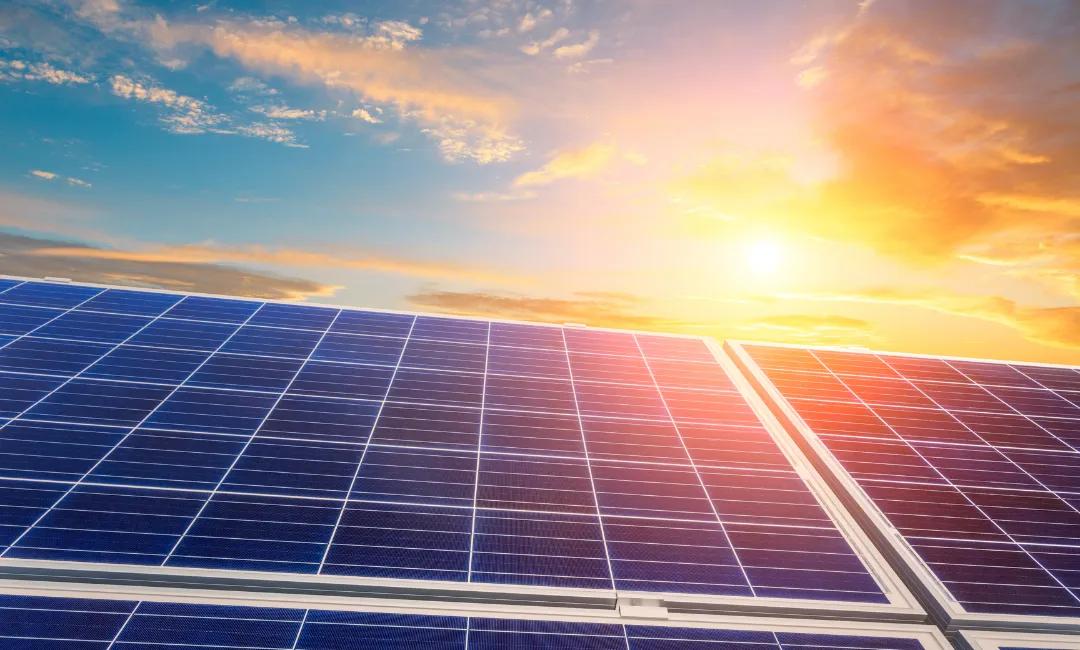
As energy costs and household electricity demands continue to change, more homeowners are looking for practical ways to improve how they generate and use power. Renewable energy technologies can offer an opportunity to produce electricity locally, manage consumption and reduce dependence on traditional energy sources.
However, choosing an energy system should involve more than simply selecting the largest available solar setup or the latest battery. Every property has different energy requirements, roof conditions, consumption patterns and future plans. Taking time to assess these factors can help homeowners make a more informed decision.
Start by Understanding Your Energy Consumption
Before investing in renewable energy, look at how much electricity your household currently uses. Reviewing several electricity bills can help identify average consumption and periods when energy demand is highest.
Consider which appliances use the most power and whether electricity consumption is concentrated during the day or evening. This information can help determine whether solar generation, battery storage or a combination of technologies may be suitable for your property.
Assess Your Property
The physical characteristics of your property can influence the performance of a renewable energy system. Roof size, orientation, pitch and shading should all be considered during the planning process.
Trees, neighbouring buildings and other structures may create shade at different times of the day. A professional assessment can help identify suitable areas for installation and determine an appropriate system design.
For Townsville properties, local weather and environmental conditions should also be taken into account when selecting equipment and installation methods.
Consider the Right System Size
Bigger does not always mean better. A system should be appropriately sized according to household electricity consumption, available roof space and expected future energy needs.
Installing a system that is significantly larger than the property's requirements may not provide the best overall value. On the other hand, a system that is too small may not generate enough electricity to meet the household's needs.
A properly designed system aims to balance energy production with actual consumption.
Decide Whether Battery Storage Is Suitable
Solar panels generate electricity during daylight hours, but many households use significant amounts of electricity in the evening. Battery storage can help bridge this gap by storing surplus energy for later use.
Homeowners should consider their evening electricity consumption, energy goals and budget before adding a battery. For some households, battery storage may provide useful flexibility, while others may benefit more from maximising daytime solar usage first.
Check Available Incentives
Government incentives and renewable energy programs can affect the overall cost of an energy upgrade. These programs can change over time, so homeowners should check the current eligibility requirements and rebate conditions before making a purchase.
It is important to understand whether an incentive applies to the specific technology, property and installation circumstances. Rather than relying on an advertised figure alone, homeowners should consider the actual system cost after any applicable incentives.
Research Equipment Quality
Solar panels, inverters and batteries can vary considerably in terms of specifications, warranties and performance characteristics. Homeowners should research the equipment being proposed rather than choosing a system based only on its price.
Look at product warranties, manufacturer support, monitoring capabilities and compatibility between different components. Reliable equipment combined with professional installation can contribute to long-term system performance.
Consider Installation Experience
The quality of installation is an important part of any renewable energy investment. Even high-quality equipment needs to be correctly designed, installed and configured.
Homeowners should look for experienced installers, relevant industry credentials and clear warranty information. It is also worthwhile asking what support is available after installation and who to contact if an issue occurs.
A professional installer should be able to explain the system clearly and answer questions about expected generation, monitoring and maintenance.
Think About Your Future Energy Needs
Your electricity requirements may change over the years. You might purchase an electric vehicle, add new appliances, renovate your home or experience changes in household size.
Considering these possibilities before installation can help ensure the chosen system remains useful as your energy requirements evolve. Discussing future plans with an installer may also help identify opportunities for a more flexible system design.
Compare the Overall Value
Price is an important consideration, but it should not be the only deciding factor. Homeowners should compare system quality, installation standards, warranties, expected performance and ongoing support alongside the initial investment.
When comparing Green Energy Solutions Townsville, look at the complete package rather than focusing on a single component or advertised price. A well-designed system should provide a practical balance between performance, reliability and long-term household energy requirements.
Make an Informed Decision
Investing in renewable energy can be a significant household decision, so careful planning is worthwhile. Understanding your electricity consumption, assessing your property, selecting suitable equipment and considering future energy requirements can help you choose a system that fits your needs.
With the right planning and professional guidance, Townsville homeowners can make informed choices about renewable energy while working toward improved energy management and greater control over their household electricity use.